
Check valves play an important role in industrial piping systems by helping to prevent unwanted reverse flow. The single disc check valve operates automatically as the fluid moves and does not require regular manual operation. However, like other mechanical components, it still needs proper inspection and care to maintain reliable performance.
Axegic Group Inc. provides industrial valves and non-return valve solutions for applications across process and manufacturing industries. Regular maintenance can help identify wear, deposits and other problems before they affect the performance of the valve. Here are seven practical maintenance practices that can help extend the service life of a check valve.
Top 7 Maintenance Practices for Single Disc Check Valves
1. Inspect the Valve Regularly
Routine inspection is one of the simplest ways to find problems at an early stage. Check the valve body, connections and surrounding pipeline for visible signs of damage, corrosion or leakage.
Look for:
- Cracks or surface damage
- Corrosion around the body
- Leakage near connections
- Loose bolts or fasteners
- Unusual marks around the seating area
A regular inspection schedule makes it easier to identify small issues before they turn into costly repairs.
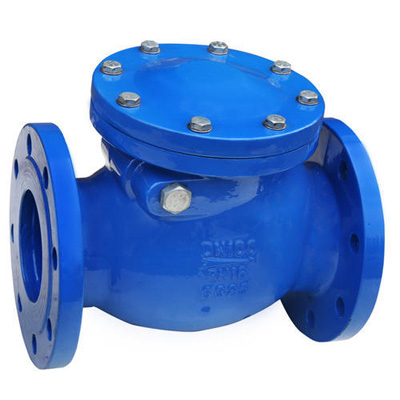
2. Check the Disc Movement
The disc is one of the main working parts of the valve. It should move freely according to the flow conditions without sticking or getting obstructed.
During maintenance, inspect the disc for signs of wear, deposits or physical damage. Any buildup around the moving area can affect opening and closing. Cleaning should be carried out using a method that is suitable for the valve material and process medium.
3. Keep the Valve Free From Debris
Dirt, scale, solid particles and process residue can collect inside a pipeline and reach the valve. Excessive deposits may interfere with disc movement and seating.
Where the process carries suspended particles, suitable filtration or upstream strainers can help reduce the amount of unwanted material reaching the check valve. Axegic also manufactures industrial strainers designed to filter solids from process lines.
4. Inspect the Seat and Sealing Surfaces
However, the seat should stay in good condition in order to ensure the proper backflow prevention mechanism. As part of regular maintenance activities, any scratches, erosion, wear, or deposit formation on the sealing surfaces should be checked for.
If the seat and sealing elements are deteriorated, they need to be replaced because otherwise leakage is expected to take place.
5. Check for Pipeline Leakage
External leakage should never be ignored. Inspect the valve connections and nearby joints for signs of fluid escaping from the system.
Frequent leakage may be caused by sealing components, loose connections, corrosion, or installation problems. Early identification of such a problem will help to avoid more damage to other equipment and fluid losses.
6. Monitor Pressure and Flow Conditions
A check valve should operate within the pressure and temperature conditions for which it has been selected. Sudden changes in operating conditions can place additional stress on the valve and its internal components.
Regularly monitoring process pressure and flow can help identify unusual operating conditions. If abnormal noise, vibration or repeated flow problems occur, the valve and surrounding piping should be inspected.
7. Follow the Manufacturer’s Maintenance Guidance
Every valve may have different construction, materials and operating requirements. Maintenance should therefore follow the manufacturer’s recommendations rather than relying only on a general schedule.
Axegic Group Inc. provides many different types of industrial valves such as single disc and various other types of check valves. The right choice of valves for specific applications and proper maintenance can contribute to longevity and reliable functioning.
Conclusion
Regular maintenance does not need to be complicated. Routine inspection, cleaning, checking disc movement, monitoring sealing surfaces and keeping operating conditions within the required range can help reduce unexpected valve problems. Axegic Group Inc., an experienced Single Disc Check Valve Manufacturer, supplies industrial valve solutions for different process requirements. For the right valve specification and application guidance, contact Axegic Group Inc. to discuss the requirements of the piping system.
FAQs - Frquently Asked Questions
A single disc check valve is described as a non-returning valve. This device allows fluid flow in one direction while stopping it from flowing backwards in a piping system.
The frequency of maintenance depends on the type of application and conditions of operation as well as the type of the fluid. Proper examination and maintenance may help detect wear, leaks and other problems in the valve in advance.
Some important procedures are regular inspections, cleaning, disc and sealing surface checking, inspection of moving parts, detection of leaks and ensuring correct functioning of the valve.
Regular maintenance helps eliminate wear, detect problems at earlier stages and ensure correct operation of the valve, which means that the lifetime increases.
Major signs may be reverse fluid flow, leaks, sounds, lack of performance as well as visible indications of the wear of the valve components.